
Pool Automation in North Texas
Southern Pool + Outdoors handles pool automation installs and repairs across North Texas. We set up systems that run your pump, heating, lighting and water features from your phone, and we fix the ones that stopped talking to your equipment. Call (214) 922-1914.

Tired of walking to the equipment pad to flip switches? Get a free pool automation quote from Southern Pool + Outdoors.
Schedule Service!
What Pool Automation Does for Your Pool
A pool without automation runs on separate timers, switches and valves you turn by hand. Want the spa hot by 7? Somebody walks out to the pad, turns two valves, changes the pump speed and fires the heater. Pool automation puts all of that in one control panel you can run from your phone.
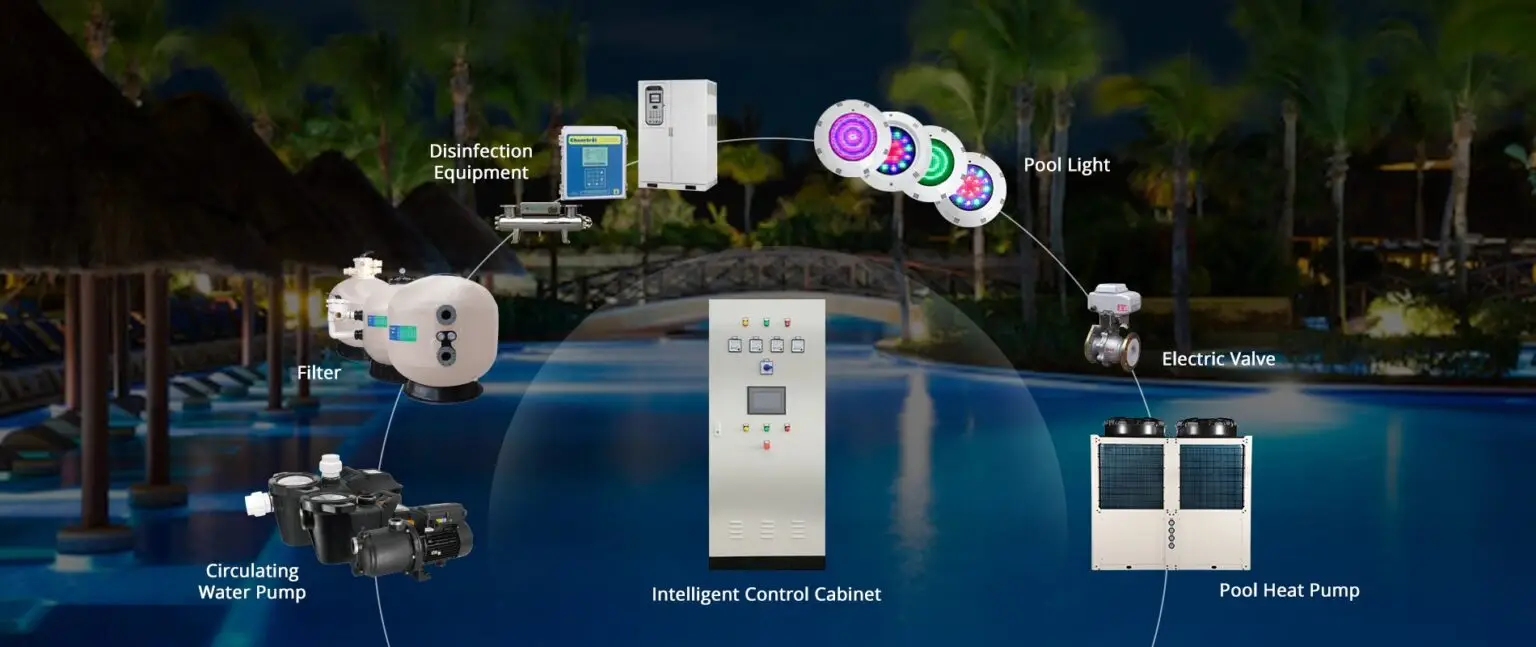
A typical system controls:
- Pump speeds and run schedules
- The pool heater and spa temperature
- Pool lights and their color shows
- Water features like sheer descents and bubblers
- Valve actuators that switch between pool and spa
- Chlorine generators and chemical controllers
The biggest win for most North Texas homeowners is the pump. A variable speed pump on a smart schedule can run slow and long through the night, which moves the same water for far less power than a single speed pump on high. In a summer when the pump runs for hours every day, that adds up.
Automation also handles the small stuff you forget. Lights come on at dusk. The spa heats up while you drive home. Then the pump bumps up to high for an hour so the cleaner can run, and drops back down after.
We install pool automation systems that let you control pumps, heating, lighting and water features right from your smartphone or tablet. We also handle automation repair when a system loses its connection, throws error codes or stops moving valves. If you’re also looking at salt systems, the automation can run the salt cell on the same schedule as the pump.
We Are Experts With:




How a Pool Automation System Works
Every automation system has the same basic parts. Knowing them makes it easier to understand what you’re buying and what’s failing when something stops working.
The Control Panel and Relays
The heart of the system is a load center at the equipment pad. It holds the circuit breakers, a control board and a set of relays. Each relay switches one piece of equipment on or off, like a light circuit or a booster pump. Variable speed pumps and newer heaters usually connect by a communication cable instead, so the panel can set an exact pump speed or heater temperature. The panel then links to your home Wi-Fi so the app can reach it.
Valve Actuators
Pools with an attached spa use valves to send water to the pool, the spa or both. An actuator is a small electric motor mounted on top of the valve. When you press spa mode, the actuators turn the valves so the pump pulls from the spa and returns water to it. The same kind of actuator can switch water features or solar heating on and off.
Sensors
Automation systems read water temperature, air temperature and sometimes solar panel temperature. Those readings decide when the heater runs and when freeze protection kicks in. A sensor that reads wrong can make a whole system act strange, which is why sensors are one of the first things we check.
What You Can Control From Your Phone
The app is what most people picture when they think of pool automation. Here’s what it actually lets you run.
Pump Speeds and Schedules
Energy rules in some states require pool pump controls with at least two speeds, where the low speed is no more than half the top speed. Running slower for longer moves the water with much less energy. Hayward says efficient scheduling can save up to 70% on energy costs, and the slow overnight run is where most of that comes from.
Run time still matters. One turnover of your pool’s water filters about 63% of it. A second turnover gets you to 86%, a third to 95%, and it takes four turnovers to filter all but 2%. Automation lets you hit that turnover at low speed, then schedule short high speed runs for the cleaner, the spa or a water feature.
Heater and Spa
You can set the pool temperature, heat the spa on a schedule, or turn it on from the car. The panel runs the pump first, because most heaters won’t fire without flow. A low flow switch keeps the burner off until enough water is moving through it. Spa temperatures should never go above 104°F, and the controls are built around that limit.
Lights and Water Features
Color LED lights can run their shows on a schedule, and sheer descents, bubblers and deck jets can each have their own button. For lights that are old or failing, our pool light installation service can add fixtures the panel can control.
Chlorine Generators and Chemical Controllers
Automation can run a salt cell on the same schedule as the pump and cut chlorine output in spa mode. Some pools also add chemical controllers that read pH and ORP with probes and feed acid or chlorine on demand. Those probes need regular cleaning and calibration. With stabilizer in the water, an ORP probe can foul within days or weeks, and a dirty probe gives readings that drift even when the water hasn’t changed.
One honest note. Automation doesn’t replace testing your water. It runs equipment on a schedule, but you or your technician still need to check the chemistry.
Freeze Protection and North Texas Winters
Most automation systems have a freeze protection setting. When the air temperature sensor reads below a set point, the system turns the pump on so water keeps moving through the pipes and equipment. Moving water is much less likely to freeze and crack a pump or filter.
The setting has to be turned on, and it has to be set at a sensible temperature. Too high, and the pump runs all winter for no reason. Too low, and it may not start in time. Freeze protection also needs power. When the grid went down during the February 2021 freeze, plenty of North Texas pools lost both the pump and the protection at the same time. A controller can’t protect anything with the power out, so plan for long outages separately.
Automation Repair for North Texas Pools
Automation systems are reliable, but they live outdoors in summer heat and spring storms. When one acts up, the problem usually falls into one of a few groups. Automation repair starts with figuring out which part failed, since the app shows the symptom and rarely the cause.
Lost Wi-Fi or App Connection
The most common call is an app that says the system is offline. Often the panel lost its link to your router after a power outage or a router change. Sometimes a firmware update fixes it. Other times the cause is wiring between the panel and a pump or other device, which can keep the system from recovering cleanly after an outage. We check the network link, the firmware and the communication wiring in that order.
Valve Actuators That Won't Turn
If spa mode does nothing, or a water feature won’t shut off, look at the actuator. A sticky O-ring inside the valve can bind it. The actuator motor can also fail, or the panel may not be sending power. Swapping the actuator to a different valve port on the panel shows which one is at fault. If the problem moves with the actuator, it’s the actuator. If it stays with the port, it’s the panel.
Sensor and Temperature Errors
A bad air sensor can trigger freeze protection on a mild night or skip it on a cold one. A bad water sensor can keep the heater from firing or let the spa run hotter than you set it. We compare each sensor reading to a real thermometer and replace or recalibrate the ones that are off.
Relays and Power Problems
When a single light or pump won’t turn on, the relay that switches it may have failed. Lightning and power surges are hard on control boards and pump drives. Some owners add a surge protector at the pad for that reason. Because pool equipment sits near water, any electrical repair also means checking grounding, bonding and GFCI protection.
Adding Pool Automation to an Existing Pool
You don’t need a new pool to get automation. Most existing equipment pads can take a control panel, though the work depends on what you already have. A variable speed pump, heater and lights from the same brand as the panel usually connect cleanly. Older single speed pumps can still run on a relay, but you lose speed control. Swapping one for a variable speed model through our pool pump installation service is often the upgrade that pays for the rest.
We look at your equipment, the valves, the wiring and how far the pad is from your router before recommending a system. Sticking with one brand for the panel and the major equipment keeps everything talking to each other.
Electrical and Safety Checks
Pool equipment sits a few feet from water, so the electrical side gets extra care. The National Electrical Code has a whole article, Article 680, just for pools and spas. It covers grounding, bonding and ground fault protection. Grounding gives a fault current a safe path to the earth. Bonding ties metal parts together so there’s no voltage difference between a ladder and the water. When we install a panel, we check those connections along with the breaker sizes and the wire runs. A surge protector at the pad is cheap insurance too, since spring storms here bring plenty of lightning.
Is Pool Automation Worth It?
For a pool with a spa, water features and a variable speed pump, automation usually earns its keep in convenience and energy savings. For a simple pool with one pump and no spa, a good pump timer may be all you need. We’ll tell you which camp you’re in.
Think about how you use the pool. If you heat the spa a few nights a week, the app saves a walk to the pad every time. If your summer power bill climbs when the pump runs, slow overnight schedules help. And if you travel, being able to check the pump and heater from your phone is worth a lot after a storm knocks the power out. On the other hand, automation adds a control board, sensors and actuators that can fail one day. That’s the tradeoff, and for most pools with a spa, the convenience wins.
Why Homeowners Choose Southern Pool + Outdoors for Pool Automation
We set up automation around how you actually use your pool, and we show you how to run it before we leave. When a system acts up, we troubleshoot it part by part. You don’t need to be home for most service visits, as long as we can reach the equipment.
If you want automation or your system has stopped working right, call (214) 922-1914 or schedule pool automation service online. You can also see our other specialty services for jobs a weekly visit can’t cover.
Our Service Areas
- Allen
- Plano
- Dallas
- Mckinney
- Wylie
- Anna
- Fairview
- Prosper
- Lucas
- Celina
- Carlton
- Melissa
Pool Automation Questions From North Texas Homeowners
Here are straight answers to the pool automation questions homeowners around North Texas ask most often.
Pool automation means one control panel runs your pool equipment on schedules, and you can change settings from a phone or a wall remote. It controls pumps, the heater, lights, water features, pool and spa valves and often a chlorine generator. Instead of separate timers and valves you turn by hand, everything works together from one app.
The best system is usually the one that matches the equipment you already own. Pentair, Hayward and Jandy each make full systems, and their panels talk most cleanly with their own pumps, heaters and lights. Mixing brands can limit what the app controls. We look at your pad first and recommend the panel that fits it.
The cost depends on the system, how many devices it controls, if you need valve actuators, and how much wiring the pad needs. A basic panel for a pool alone costs less than a pool and spa setup with water features. Call (214) 922-1914 and we'll quote your pad after looking at what's there.
For most homes, a salt chlorine generator run by the automation panel is the simplest way to feed chlorine automatically. Larger setups use controllers with pH and ORP probes that feed acid and chlorine as needed. Probes foul over time and need cleaning and calibration. No dosing system replaces regular water testing.
Often, yes. An autofill tops off the water as it evaporates, using either a float valve or a level sensor that signals a controller. It needs a water supply line to the pool, so the job depends on your plumbing and deck. In a North Texas summer, evaporation drops water levels fast, which makes an autofill handy.
It turns on when the air temperature sensor reads below the set point, which you choose in the controller settings. The feature must be enabled, and the sensor must read accurately. Freeze protection can't work during a power outage, which North Texas learned in February 2021. If a hard freeze and outage are forecast, plan a backup.
That usually means freeze protection is switching right at its set point as the air temperature hovers there. Some controllers don't hold the pump on for a minimum time once it starts. A slightly off air sensor makes it worse. Checking sensor calibration and updating firmware often helps. Running a variable speed pump at low speed overnight avoids it.
Some panels don't reconnect cleanly after power drops, so the app shows offline until someone reboots the panel. Firmware updates fix some of these cases. In others, the cause is wiring between the panel and a pump or other device. A weak signal at the pad can also be the issue, especially on a large lot.
The valve may be binding from a sticky O-ring, the actuator motor may have failed, or the panel may not be sending power. Try turning the valve by hand with the actuator off. Then swap the actuator to another valve port on the panel. If the problem follows the actuator, replace or rebuild it. If not, check the panel.
Not always. A salt cell and a water feature can run on pump schedules and simple timers. Automation makes it easier, though, because the panel can run the cell only when the pump is on and switch features from your phone. Keeping the panel the same brand as your pump avoids communication problems later.
Still have questions?